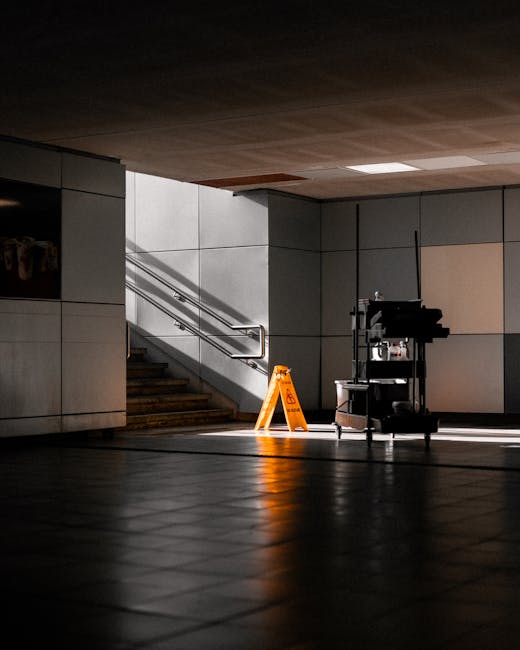
West Brompton station carpet cleaning guide: a practical, no-nonsense approach for busy homes and workplaces
If you are looking for a West Brompton station carpet cleaning guide, you are probably dealing with one of two things: carpets that have seen too much foot traffic, or carpets that need a proper refresh before they start looking tired. Around a busy transport hub, dirt behaves differently. Fine grit, damp shoes on a grey London morning, coffee spills in a rush, and the general shuffle of people coming and going all make carpets age faster than you expect. Truth be told, it can happen almost quietly.
This guide walks through how to clean carpets properly in the West Brompton area, what methods make sense, what to avoid, and how to decide whether a DIY clean is enough or whether a professional service is the smarter call. You will also find a step-by-step process, a comparison of methods, a realistic example, and a checklist you can use straight away.
If you want a broader sense of what a professional clean can cover, it may also help to look at the main carpet cleaning service, along with related support for stubborn marks through stain removal and deeper fibre care with steam carpet cleaning.
Expert summary: Near a station, carpets usually fail for the boring reasons first: grit, moisture, repeated pressure, and delayed cleaning. The best results come from prompt spotting, correct method selection, and enough drying time. Simple, but not always easy.
Table of Contents
- Why West Brompton station carpet cleaning guide Matters
- How West Brompton station carpet cleaning guide Works
- Key Benefits and Practical Advantages
- Who This Is For and When It Makes Sense
- Step-by-Step Guidance
- Expert Tips for Better Results
- Common Mistakes to Avoid
- Tools, Resources and Recommendations
- Law, Compliance, Standards, or Best Practice
- Options, Methods, or Comparison Table
- Case Study or Real-World Example
- Practical Checklist
- Conclusion
- Frequently Asked Questions
Why West Brompton station carpet cleaning guide Matters
Carpet cleaning near a station is not just about appearance. It is about keeping fibres in decent condition for longer, reducing the dull, flattened look that comes from heavy use, and stopping dirt from embedding deeper than it needs to. In places with regular footfall, carpets work harder than people realise. A small amount of soil carried in each day may not look dramatic, but it acts like fine sandpaper over time.
West Brompton has a very particular rhythm. Commuters, visitors, office workers, residents, and people changing trains all create a constant flow. That means carpet care needs to be practical, not fussy. You want cleaning that respects the schedule, dries sensibly, and fits around real life. Not everyone has the luxury of closing a space for a full day. Let's face it, most of us do not.
There is also a hygiene side to the issue. Carpets trap dust, pollen, crumbs, pet hair, and outdoor debris. In a home, that can affect comfort. In a commercial setting, it can affect first impressions. A clean carpet says the space is looked after. A grubby one says the opposite, even if everything else is spotless.
For landlords, small offices, clinics, hospitality spaces, and busy households, regular carpet maintenance is one of those jobs that quietly saves money. It helps avoid premature replacement, which is where the real cost lands. That is the practical heart of this guide.
How West Brompton station carpet cleaning guide Works
The basic process is simple enough: assess the carpet, remove loose debris, treat stains, clean using the right method, and allow the pile to dry properly. The detail matters. A wool blend, synthetic office carpet, and delicate runner all need different handling. One method does not suit everything. If someone tells you otherwise, be cautious.
Professional carpet cleaning usually starts with inspection. A good cleaner will look at fibre type, colour fastness, pile condition, visible stains, odours, high-wear lanes, and any risk areas such as seams or areas under furniture. They may also spot problems the owner has stopped noticing, like traffic lanes near entrances or salt marks from wet shoes in winter.
The cleaning method then depends on the material and soil level. Hot water extraction, often referred to as steam cleaning, is common because it can reach deep into fibres and remove loosened dirt. Low-moisture methods may suit certain commercial settings where quick drying matters more than deep saturation. Bonnet cleaning can work as a maintenance option for some office carpets, though it is not a magic fix for ground-in dirt.
After cleaning, drying becomes the make-or-break stage. A carpet that looks clean but stays damp too long can develop odours or take on a slightly flat, tired feel. In our experience, people sometimes rush this part and then wonder why the result feels underwhelming. Drying is part of cleaning. Not an afterthought.
If pet-related smells or accidents are part of the problem, a specialist approach may help. The service page for pet stain and odour removal is relevant where urine, lingering smells, or repeated accident spots are involved.
Key Benefits and Practical Advantages
There are obvious benefits, and then there are the less obvious ones. The obvious benefit is a fresher-looking carpet. The less obvious benefit is better fabric longevity. Deep cleaning can lift grit and residues that slowly crush the pile, especially in entrance areas and corridors.
- Better presentation: Cleaner carpets improve the feel of a hallway, reception area, office, or living room almost instantly.
- Improved comfort: Soft, clean fibres feel better underfoot. Simple as that.
- Odour reduction: Spills, damp, and trapped debris often cause a stale smell before visible staining becomes severe.
- Longer carpet life: Regular care helps delay flattening and wear, especially on the walking lines.
- Better stain management: Fresh stains are easier to treat than old ones that have bonded to fibres.
- More suitable for busy settings: Fast-drying methods can help keep homes and workplaces usable with minimal disruption.
There is also a confidence factor. When a carpet looks clean, the whole room tends to feel more settled. That matters more than people admit. A clean floor changes how you read the rest of the space.
If you are weighing up where to spend your budget, a professional quote can help you compare scope and method. The site's pricing and quotes page is useful for understanding how different jobs may be assessed.
Who This Is For and When It Makes Sense
This guide is useful for home owners, tenants, landlords, office managers, facilities teams, and anyone responsible for a carpet that sees regular wear. It is also relevant if you have just moved into a property and the carpet looks fine at first glance but feels a bit sticky, flat, or dull under natural light.
A carpet clean makes particular sense when:
- the carpet near the entrance looks darker than the rest of the room;
- there are visible marks from shoes, food, drinks, or pets;
- the room has a lingering smell that vacuuming does not fix;
- you are preparing for a tenancy change, inspection, or new occupancy;
- a workplace wants to present a tidy, professional impression;
- the carpet has not had a deep clean in a long while, and frankly it shows.
It is also worth saying that some carpets simply need a light refresh, not a major intervention. If the fibres are still in good condition, a targeted cleaning plan can be enough. On the other hand, if there are repeated stains, heavy traffic lanes, or pet damage, a deeper approach is more realistic.
For larger premises or shared areas, commercial scheduling may matter as much as the method itself. In that case, commercial carpet cleaning is the most relevant service route to consider.
Step-by-Step Guidance
Here is a practical process you can follow, whether you are doing a small cleanup yourself or briefing a cleaner. Keep it calm and methodical. Rushing is where most carpet jobs go sideways.
- Inspect the carpet properly. Look at the pile, seams, corners, and high-traffic paths. Note stains, odours, and any loose fibres.
- Vacuum thoroughly. Go slowly. A quick pass will not lift embedded grit. Work in overlapping lines and hit edges where dust gathers.
- Test any cleaning product first. Use a hidden patch. Check for colour transfer, texture change, or residue.
- Pre-treat visible stains. Use the right stain approach for the mark. Food, grease, mud, and pet issues are not the same thing.
- Choose the cleaning method. For deep soil, extraction may be best. For maintenance, low-moisture cleaning can be enough. For delicate fibres, caution wins.
- Work in sections. That keeps drying more even and helps avoid missed patches.
- Rinse or extract properly. Leaving cleaning solution behind can make carpets attract dirt faster afterwards.
- Dry with airflow. Open windows if safe, use fans if available, and avoid walking on the carpet until it is genuinely dry.
- Check the result in daylight. Evening lighting hides residue and patchiness. Daylight tells the truth.
- Plan follow-up care. Put mats at entrances, vacuum regularly, and deal with spills early. That is the unglamorous bit, but it matters most.
If you only remember one thing from this section, remember this: preparation is not separate from cleaning. It is half the job.
Expert Tips for Better Results
There are a few details that separate a decent clean from a really good one. None are dramatic. They are just the sort of practical habits that save headaches later.
- Work from clean to dirty. Start with the least contaminated areas and move towards the worst spots.
- Blot, do not rub. Rubbing spreads the stain and can roughen the pile.
- Use less product than you think. Over-wetting is a classic mistake. More solution is not better.
- Respect fibre type. Wool, synthetic, and blended carpets behave differently under moisture and heat.
- Lift furniture carefully. Marks from heavy pieces are easier to prevent than remove.
- Keep a stain kit nearby. A clean cloth, plain water, and a suitable fibre-safe cleaner can save a lot of stress.
- Think about airflow before you start. If drying space is poor, choose a quicker method or schedule the clean for a better time.
One small but useful observation: carpets often look clean before they are actually clean. You may not notice the residue until the next morning when the light comes through the window and suddenly every patch seems visible. Slightly annoying, yes. But fixable.
If you want a broader service overview for soft furnishings in the same environment, it can be useful to compare carpet care with upholstery cleaning or rug cleaning, because the same soil-and-drying logic often applies.
Common Mistakes to Avoid
Most carpet problems after cleaning come from avoidable errors rather than bad luck. The main ones are easy to spot once you know what to look for.
- Using the wrong product. Some cleaners are too harsh for delicate fibres or coloured dyes.
- Skipping vacuuming. Dirt left on the surface turns into sludge once moisture is added.
- Over-wetting the carpet. Too much moisture can lead to slow drying, odour, or wicking, where old stains rise back to the top.
- Ignoring stain age. An old stain often needs a different treatment than a fresh spill.
- Cleaning only the visible mark. The surrounding area may still hold residue or traffic staining.
- Walking on it too soon. That can transfer grime back into the fibres. Bit of a nuisance, but true.
- Forgetting to protect the floor after cleaning. If there is a doorway or corridor, mats help keep the result for longer.
Another common issue is choosing the strongest possible method without checking whether the carpet needs it. Stronger is not always better. Sometimes it is just wetter, slower, and more awkward.
Tools, Resources and Recommendations
You do not need a warehouse full of gear, but having the right basics matters. A sensible toolkit helps with both maintenance and spot treatment.
| Tool or Item | Best Use | Why It Helps |
|---|---|---|
| Vacuum cleaner with strong suction | Routine maintenance | Lifts grit before it gets pressed into the pile |
| White microfibre cloths | Blotting spills | Lets you see transfer and avoid dye issues |
| Soft brush | Loosening surface debris | Useful for dry soil and gentle agitation |
| Carpet-safe spot cleaner | Targeted stain treatment | Helps treat marks without flooding the area |
| Fan or ventilation | Drying support | Reduces downtime and odour risk |
| Entrance mat | Prevention | Catches dirt before it spreads through the property |
For readers comparing service options, the strongest adjacent pages on this site are usually the ones that deal with the same practical problems rather than just the same material. Stain removal, pet stain and odour removal, and steam carpet cleaning are the most useful reference points.
Law, Compliance, Standards, or Best Practice
For carpet cleaning in homes and workplaces, the practical focus is usually on safety, clear communication, and using suitable products and methods. You do not need to become a compliance expert to make a sensible decision, but a few best-practice points are worth keeping in mind.
In commercial settings, it is common to expect proper risk awareness around wet floors, trip hazards, electrical equipment, ventilation, and safe access while cleaning is in progress. That means sensible planning, clear warning signs where relevant, and coordination with the people using the space. If a space is open to the public or staff are onsite, timing matters.
Product safety also matters. Cleaners should be used according to the label and with regard to the carpet material. If you are dealing with strong odours, staining, or a sensitive environment, choose low-risk methods where possible and avoid mixing products. That sounds obvious, yet people still do it.
Reputable providers should also be transparent about insurance, payment handling, and complaints procedures. If you are comparing services, it is fair to check the company's insurance and safety information, as well as its health and safety policy, payment and security page, and terms and conditions. Those pages help set expectations before anyone starts moving furniture around.
There is also a sensible sustainability angle. Where possible, low-waste methods, careful water use, and responsible disposal practices are worth asking about. If that matters to you, see the site's recycling and sustainability page.
Options, Methods, or Comparison Table
Different carpet care methods suit different situations. Below is a straightforward comparison to help you choose without overthinking it.
| Method | Best For | Pros | Limits |
|---|---|---|---|
| Vacuuming only | Regular upkeep | Fast, cheap, essential | Will not remove embedded stains or deep soil |
| Spot cleaning | Fresh spills and small marks | Quick response, minimal disruption | May leave edges or residue if rushed |
| Hot water extraction | Deep cleaning and heavy traffic | Strong soil removal, thorough finish | Requires proper drying time |
| Low-moisture cleaning | Busy commercial spaces | Faster turnaround, less downtime | May be less effective on heavy embedded soil |
| Targeted stain treatment | Problem spots | Focused and efficient | Depends on stain type and age |
So which one is best? That depends on the carpet, the schedule, and the level of soil. A quiet flat with one stain is not the same as a shared office corridor used all day. One method fits one job. Not all jobs.
Case Study or Real-World Example
Here is a typical scenario. A small office near West Brompton station has a reception carpet that looks acceptable from a distance, but the area by the doorway has turned dark and flattened. Staff have tried spot spray before, which helped for a week or two and then everything came back, slightly worse. Sound familiar?
The first step is inspection. The doorway lane shows tracked-in grit and a little salt residue from wet shoes. The carpet is synthetic, so a deeper clean is feasible, but the room still needs to be usable the next day. In this sort of case, a low-moisture or carefully controlled extraction method is usually more sensible than an overly wet clean.
The cleaner vacuums slowly, treats the doorway lane, works the rest of the room in sections, and keeps airflow moving afterwards. Furniture is moved only where needed. The result is not dramatic in a glossy-before-and-after way. It is more practical than that. The carpet looks lighter, smells fresher, and the doorway no longer pulls your eye every time someone walks in with muddy shoes. Which, if you think about it, is exactly the point.
A home example is similar. A family carpet may have one old juice mark, one pet odour patch, and a general dullness where the sofa sits. Those are three separate issues, not one. The clean works better when each one is handled for what it is, rather than sprayed with the same product and hoped for. Hope is not a method.
Practical Checklist
Use this before, during, or after a carpet clean. It keeps the job grounded and helps avoid the usual slip-ups.
- Identify fibre type if you know it
- Vacuum thoroughly before any wet cleaning
- Test products on a hidden area
- Treat stains according to their source
- Do not over-wet the carpet
- Keep airflow moving during drying
- Avoid walking on the carpet too soon
- Check the result in daylight
- Place mats at entrances afterwards
- Set a realistic maintenance schedule
If you are arranging cleaning for a managed property or business, it can help to review the company background too. Pages such as about us, complaints procedure, and contact us are useful for trust-building and next-step planning.
Conclusion
A West Brompton station carpet cleaning guide is really about smart carpet care in a busy London environment. The key is not fancy language or expensive products. It is choosing the right method, dealing with stains early, allowing proper drying, and protecting the carpet afterwards so the work lasts.
Whether you are looking after a home, a rental, or a working space, a good clean should leave the carpet fresher, brighter, and easier to maintain. If you can keep grit out, deal with spills quickly, and avoid the common mistakes, you are already ahead of the game. Small habits win here. They really do.
Get a free quote today and see how much you can save.
And if you are still deciding, that is fine too. Take a breath, assess the carpet properly, and choose the option that fits the space rather than the other way around. A well-kept carpet is one of those quiet comforts that makes a place feel more settled, and sometimes that is exactly what a busy day needs.
Frequently Asked Questions
How often should carpets near West Brompton station be cleaned?
It depends on footfall, fibre type, and how the space is used. Busy entrances and commercial areas usually need more frequent attention than low-traffic rooms. The best schedule is the one that stops dirt from building up to the point where the carpet starts looking tired or smelling stale.
Is steam cleaning safe for all carpet types?
No, not automatically. Steam or hot water extraction is effective for many carpets, but delicate fibres, certain dyes, and moisture-sensitive materials may need a different method. A proper inspection first is the sensible way to avoid damage.
Can I remove old stains myself?
Sometimes, yes, but it depends on the stain. Fresh marks are much easier than old ones. Once a stain has settled deep into the fibre or backing, you may need specialist treatment. If in doubt, test carefully and avoid scrubbing hard.
What makes carpet cleaning different near a station?
The main difference is heavier soil load. Shoes bring in grit, damp, and debris more often, so carpets can flatten faster and stain more easily. That means maintenance, not just occasional deep cleaning, becomes more important.
How long does carpet drying usually take?
Drying time varies with the method, airflow, fibre type, and room temperature. Low-moisture methods dry faster, while deep extraction may take longer. Good ventilation makes a real difference. If a carpet stays damp for too long, it is worth reviewing the process.
Should I clean the whole room or just the visible stain?
If the carpet has general dullness or traffic lanes, cleaning only the visible stain can leave the area looking patchy. In many cases, the best result comes from treating the broader area so the finish looks even.
Are commercial carpets harder to maintain than domestic ones?
Usually, yes, because they see more use and often have tighter turnaround times. That said, a good maintenance plan makes a huge difference. Regular vacuuming, spot treatment, and occasional deep cleaning keep problems from snowballing.
What should I ask before booking a carpet cleaner?
Ask about the cleaning method, drying expectations, fibre suitability, insurance, and what is included in the quote. It is also sensible to check their terms, payment details, and health and safety information so there are no surprises on the day.
Can carpet cleaning help with pet odours?
Yes, especially when the odour source is properly treated rather than masked. Pet smells often sit deeper than surface dirt, so the right treatment matters. Repeated accidents may need a more targeted approach.
Is professional cleaning worth it if the carpet looks mostly fine?
Often, yes. Carpets can hold grit and residue long before they look obviously dirty. A carpet may still appear acceptable while quietly becoming harder to maintain. A refresh at the right time can extend the life of the carpet and keep the room feeling cared for.
What is the biggest mistake people make with carpet cleaning?
Probably over-wetting or using the wrong product. Both can create more problems than they solve. A careful, measured approach nearly always gives a better result than trying to force the issue.
Where can I learn more about the company before booking?
You can review the company's background, safety, and service information through pages like about us, insurance and safety, and pricing and quotes. That gives you a clearer picture before making a decision.